
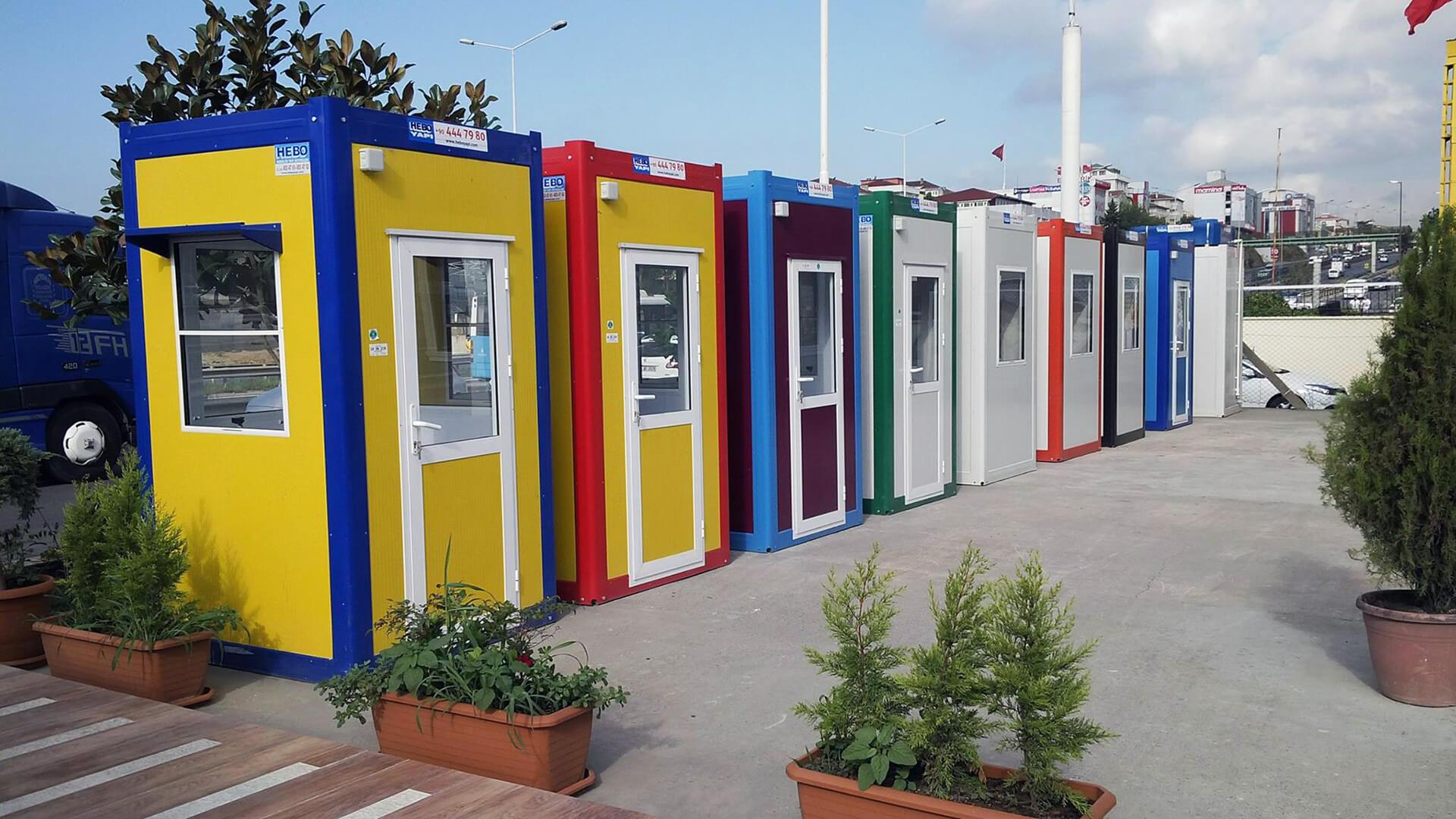
Security Kiosks in the UK
Security and functionality stand at the forefront of kiosk design across the United Kingdom, where these structures fulfill diverse roles from safety monitoring to streamlined service delivery. This article examines how security kiosks, electrical kiosks, and bespoke solutions from British manufacturers are evolving to address contemporary requirements while maintaining dependability and ease of use.
Role of Security Kiosks
Throughout the UK's busy environments, security kiosks have become increasingly common fixtures. These structures function as both security stations and versatile facilities serving multiple purposes. Whether providing visitors with information in crowded urban centers or handling large gatherings at sporting venues, these kiosks are engineered to deliver essential services while prioritizing public safety. Many are now equipped with advanced CCTV monitoring capabilities, expanding their purpose beyond simple information booths to critical security assets capable of documenting and communicating incidents in real-time.
Innovations by Kiosk Manufacturers
UK-based kiosk manufacturers continue to improve the durability and functionality of security kiosks. Features such as insulated panels, secure doors, and well-positioned windows help units serve different environments, from exposed outdoor sites to busy urban locations.
Security Huts Explained
Characterized by their compact and efficient design, security huts are specifically created for locations requiring staffed security but lacking space or necessity for larger installations.Despite their modest footprint, these security huts offer substantial functionality. Many come equipped with essential communication systems, climate control features, and occasionally restroom facilities to ensure they satisfy the fundamental needs of security staff, facilitating continuous and comfortable operation throughout extended shifts.
Security Features
Security kiosks provide a sheltered location for staff and equipment. Depending on the model, features may include reinforced construction, secure glazing, access controls, or surveillance equipment; check each unit's specifications for details.
Choosing a unit with features suited to its location supports practical day-to-day monitoring and helps protect staff and equipment.
Conclusion
Security kiosks continue to evolve as essential components of the UK's security landscape. By combining robust security features with versatile functionality, these structures provide efficient solutions for monitoring, information distribution, and service provision across various sectors. As security challenges grow increasingly complex, the adaptability and innovation demonstrated by UK kiosk manufacturers ensure these compact structures will remain at the forefront of security infrastructure development.