It's the question we get asked more than any other, usually right before someone places an order. The answer for most of our customers is no — but it depends on how long the building is staying, how big it is, and what you're using it for. This guide covers the actual rules, the exceptions, and what to do if you're not sure.
One quick note on words before we start: portable building, portable cabin, portacabin, site cabin — planning officers don't care which one you say. The rules look at what the structure is and how it's used, not what the industry calls it.
The Big Question: Do You Need Permission?
The short answer for most of our customers is no — a portable building generally doesn't need a planning application if it's under 100m² in floor area and in place for 28 days or less in a calendar year. In England, land can be put to a temporary use for up to 28 days a year without an application, and buildings under 100m² attract far less scrutiny than larger ones. A small unit covering an event, a seasonal operation or a short project sits comfortably inside those limits.
Construction sites get their own allowance. Buildings needed temporarily in connection with building work — site offices, welfare units, security cabins — are permitted for the duration of the project. No application, as long as they go when the project does.
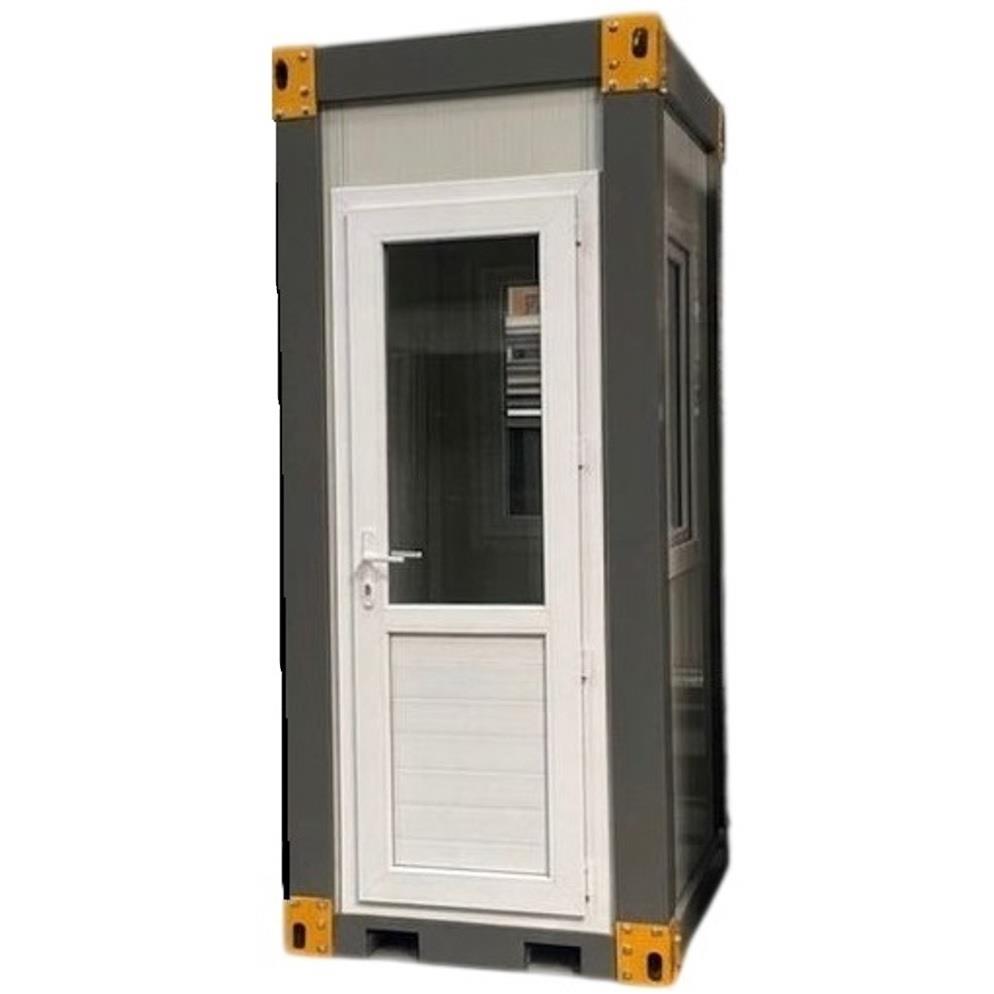
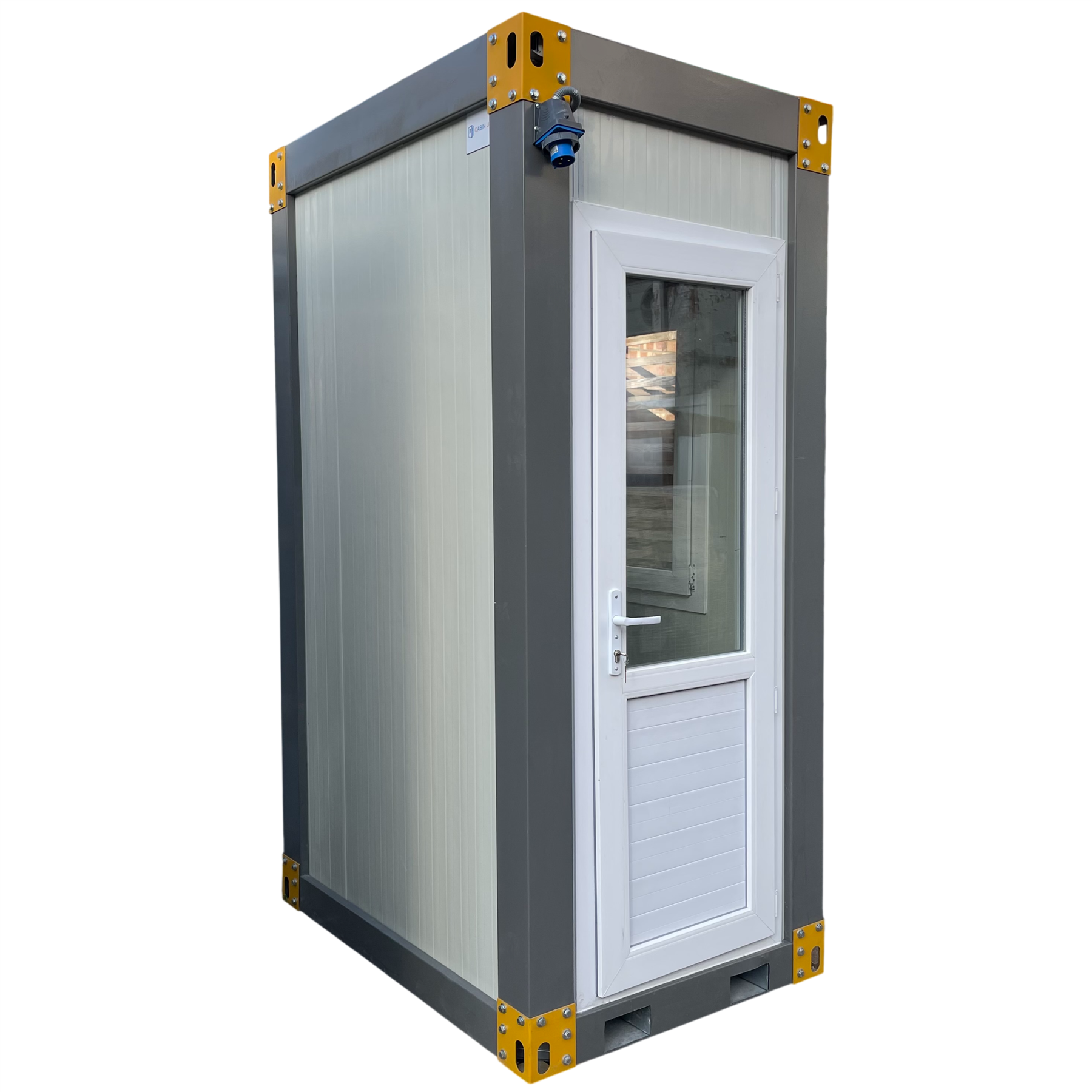
For the compact portable cabins we sell, the size test is never the problem. Our largest unit is 3.15m² — you could fit thirty of them inside the 100m² limit. Duration and use are where the real questions live.
What If the Cabin Is Staying Longer Than 28 Days?
This is where most of our customers actually sit. A parking kiosk or gatehouse isn't there for a month; it's there for years. Does that mean permission is automatically required? Not necessarily — but it does mean you should check rather than assume.
A genuinely moveable structure that isn't fixed to the ground is treated differently from built development, and councils take a range of views on small units serving an existing, lawful use of the land. A ticket kiosk in a car park that already operates as a car park is a very different conversation from a new building enabling a brand-new use of a field. In practice, plenty of small kiosks and gatehouses sit on commercial sites across the UK without ever having been through a planning application — and some councils would want one. There is no single national answer, which is exactly why the phone call matters.
The situations where you should definitely expect to need permission: anything used as living accommodation, anything in a conservation area or the setting of a listed building, land with restrictive planning conditions already attached, and cases where the building changes what the land is used for. Those four come up again and again, and none of them are worth gambling on.
How Long Does Planning Permission Take?
If you do need to apply, budget eight to twelve weeks for a decision. Councils aim for eight on straightforward applications; twelve is common in practice. Apply early — the application fee is modest, and it's far cheaper than an enforcement problem later.
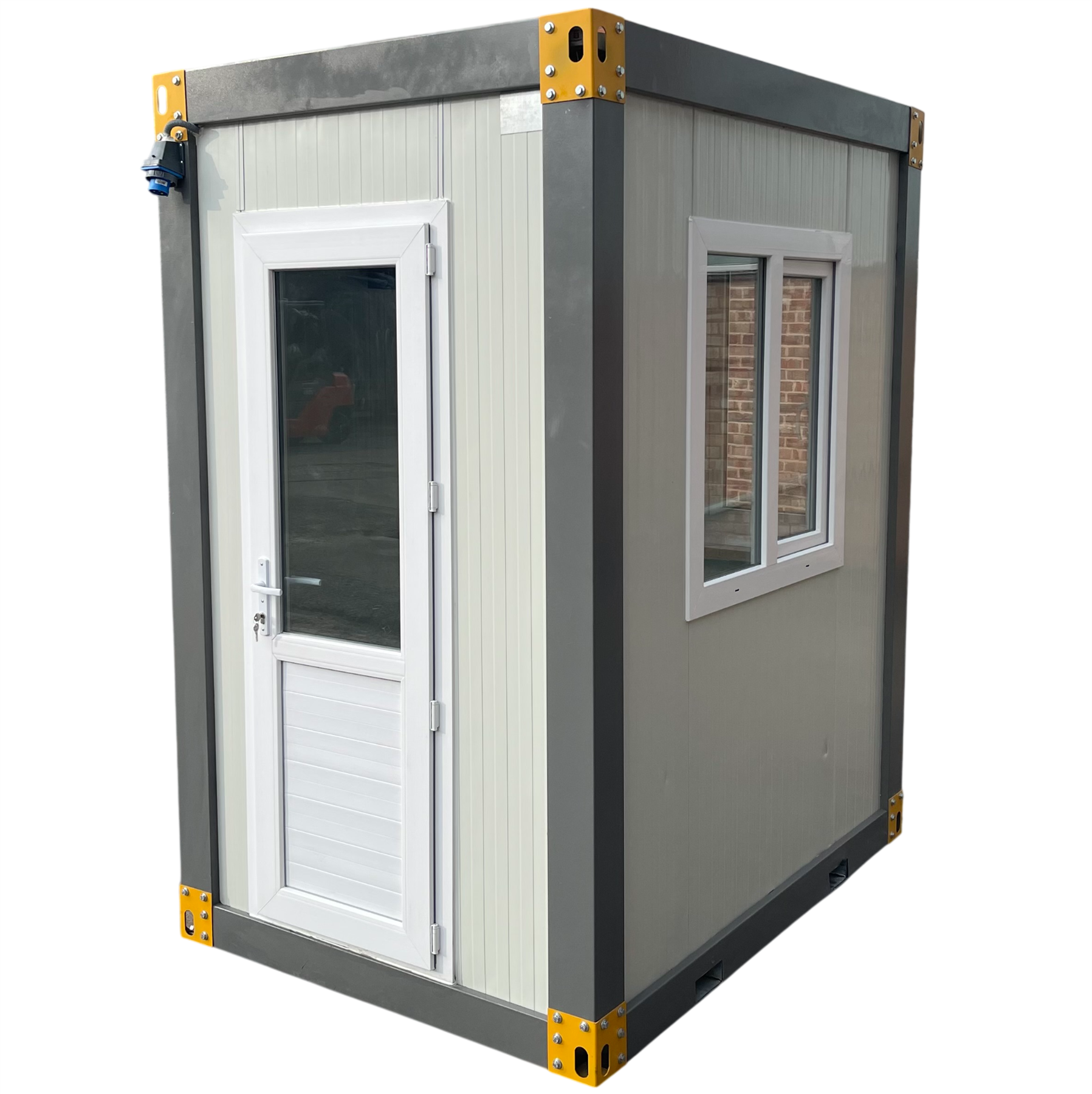
A typical application needs a location plan and site plan, ownership certificates, a short design and access statement for some cases, and the fee. Because our cabins arrive as finished units, we can send you the exact dimensions, weights and elevation photos the same day you ask — customers have used our spec sheets directly in their applications.
And if the need was genuinely urgent and the building went in first? Retrospective permission exists for exactly that, and councils grant it routinely where the case is honest. But be clear-eyed about the risk: if a retrospective application is refused, the council can serve an enforcement notice requiring the building's removal. With a forklift-moveable cabin that's an afternoon's work rather than a demolition — one of the quieter advantages of buying portable — but it's still a situation better avoided than managed.
How to Get a Straight Answer From Your Council
Every planning authority runs a duty planner service — a planner whose job includes answering exactly this kind of question. Ring the council, ask for planning, describe the unit, the site and how long it's staying. For a clearly temporary business use they'll often tell you the position on the spot. While you're at it, search your address on the council's online planning portal; any conditions attached to the land from past decisions will show up there.
If you want certainty in writing — say the site is leased and your landlord wants proof — a Lawful Development Certificate is the formal route. The council confirms in writing that your use doesn't need permission. It costs half the fee of a full application and turns "the council said it was probably fine" into a document.
A Word on Building Regulations
Different system, common confusion. Building regulations govern how a structure is constructed; planning governs whether it can be placed. Small moveable units used for short-term business purposes are generally exempt from building regs. The one part to treat properly is the electrical connection: our cabins arrive pre-wired with a fuse box and site socket, and the hookup to your supply should be done by a qualified electrician who gives you a certificate. Keep it with the cabin's paperwork.
Where That Leaves You
Most of the cabins we sell go to car parks, site entrances and event operations, and most of those customers never needed a planning application — short durations, existing commercial sites, small units. If that sounds like your situation, you're very likely fine. If your cabin is staying for years, sitting somewhere protected, or changing what the land does, spend ten minutes on the phone with the council first. We'll send whatever specs the conversation needs.
This guide is general information based on our experience supplying cabins across the UK, not legal or planning advice. Rules differ between England, Scotland, Wales and Northern Ireland and change over time — your local planning authority is the final word for your site.
Need the spec sheet for a council enquiry?
Our insulated portable cabins start at £1,999.99 ex VAT, arrive pre-wired and fully assembled, and we'll send dimensions, weights and photos for any planning conversation the same day.